

Server Recycling vs Refurbishment: A Decision Guide for IT Leaders
A server either goes to refurbishment for a second round of use or to recycling, and the age, workload history, and the data it holds usually determine which. Lexington Computer Recycling has handled electronics recycling since 2016, and our NAID AAA Certified process covers server decommissioning, refurbishment, and recycling in one project. Here’s how IT directors can sort retired servers into the right path.
How Server Lifetime Shapes Server Recycling
Server makers commonly recommend refreshing a server when it is three to five years old, and many servers keep running well past that point. Typically, newer servers are refurbished while obsolete units are recycled.
Age is a starting point, so we also log, inspect, and test every unit upon arrival. If a server struggles to run your current software or brings higher repair bills each year, it’s usually ready for recycling.
Workload History and Recycling Servers
A database server that writes to its SSDs around the clock has used up part of those drives’ lifetimes, since flash cells can handle only a certain number of write cycles before they wear out. Drive makers rate that life in terabytes written (TBW), which is the total data a drive can write before it’s likely to fail.
During refurbishment, we replace failed drives, power supplies, and memory, then run quality checks before a server goes back into use. When a server needs a long list of replacement parts, recycling usually makes better sense than repair.
Data Sensitivity in Server Recycling
NIST SP 800-88 Rev. 2, the federal guide to media sanitization, sorts methods into clear, purge, and destroy, and you pick among them based on data sensitivity and whether the drive will be reused. For a server headed to refurbishment, we wipe the drives with enterprise software so the hardware can go back into service.
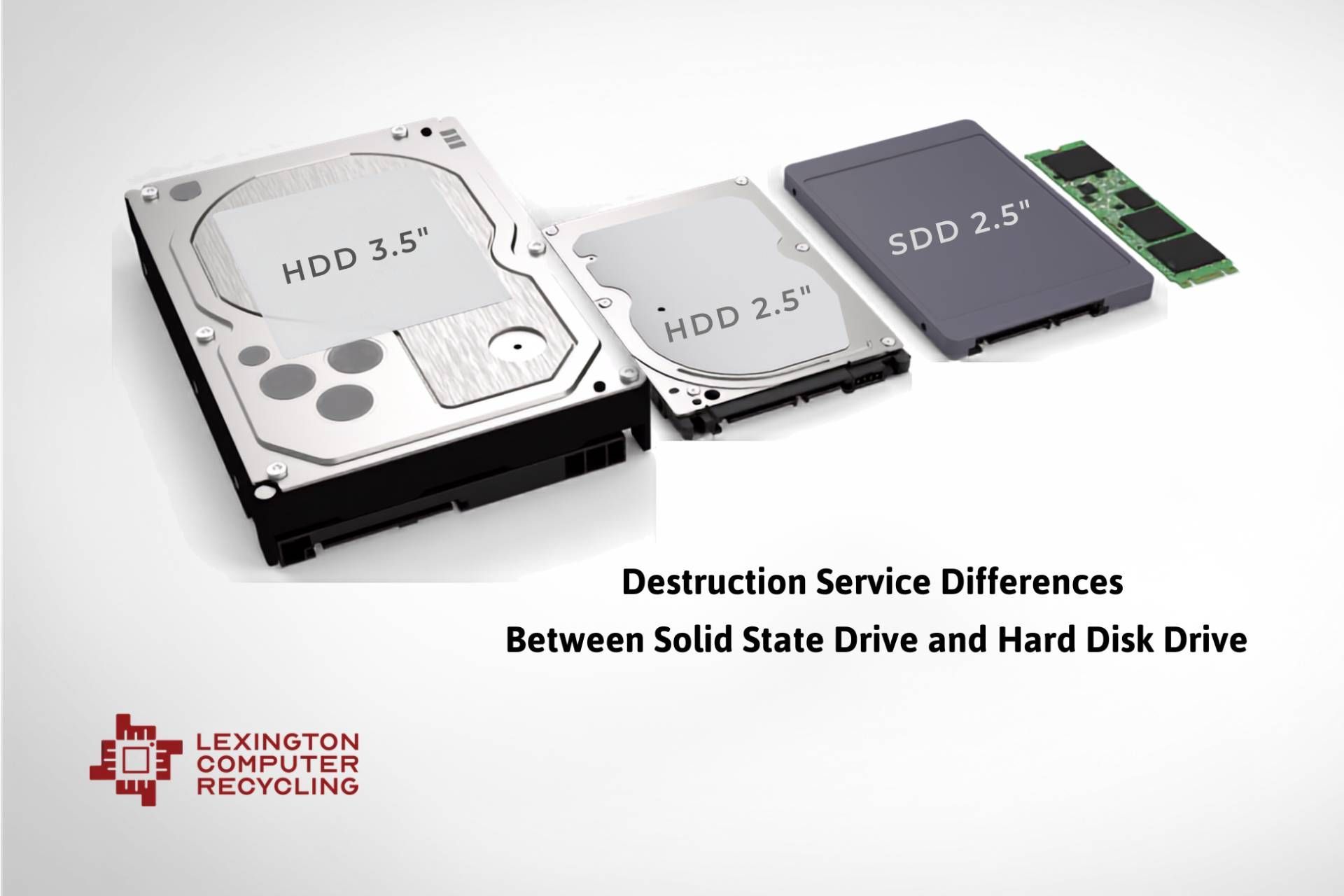
Drives that contain patient records, financial files, or team member data can be physically destroyed instead. SSDs also call for a different approach than spinning hard drives, because they spread data across their flash memory in ways a basic overwrite can miss.
Handling Server Recycling and Refurbishment in One Project
Here’s what our IT asset disposition (ITAD) service handles during a server decommissioning project:
- We remove and take apart your server racks, then move the equipment with secure transportation.
- We log every server in a serialized inventory report, so you can match each asset to its destination.
- We can wipe drives on site or destroy them while you watch, and you get a Certificate of Destruction listing what we processed.
- Newer servers undergo testing and repair, then go back to your company, to a buyer, or as a donation.
- Obsolete servers are sent to certified recyclers, and we can provide ESG data for your sustainability reporting.
One documented chain of custody follows every server from your business to refurbishment or recycling.
Plan Your Server Recycling in Kentucky
At Lexington Computer Recycling, we carry out the decommissioning, refurbishment, and recycling from start to finish.
We proudly serve Lexington, Nicholasville, Frankfort, Richmond, and Georgetown, Kentucky. Call (859) 300-3599 or contact us online to request a quote.